 Home
Publications
Info
OAOA
Home
Publications
Info
OAOA
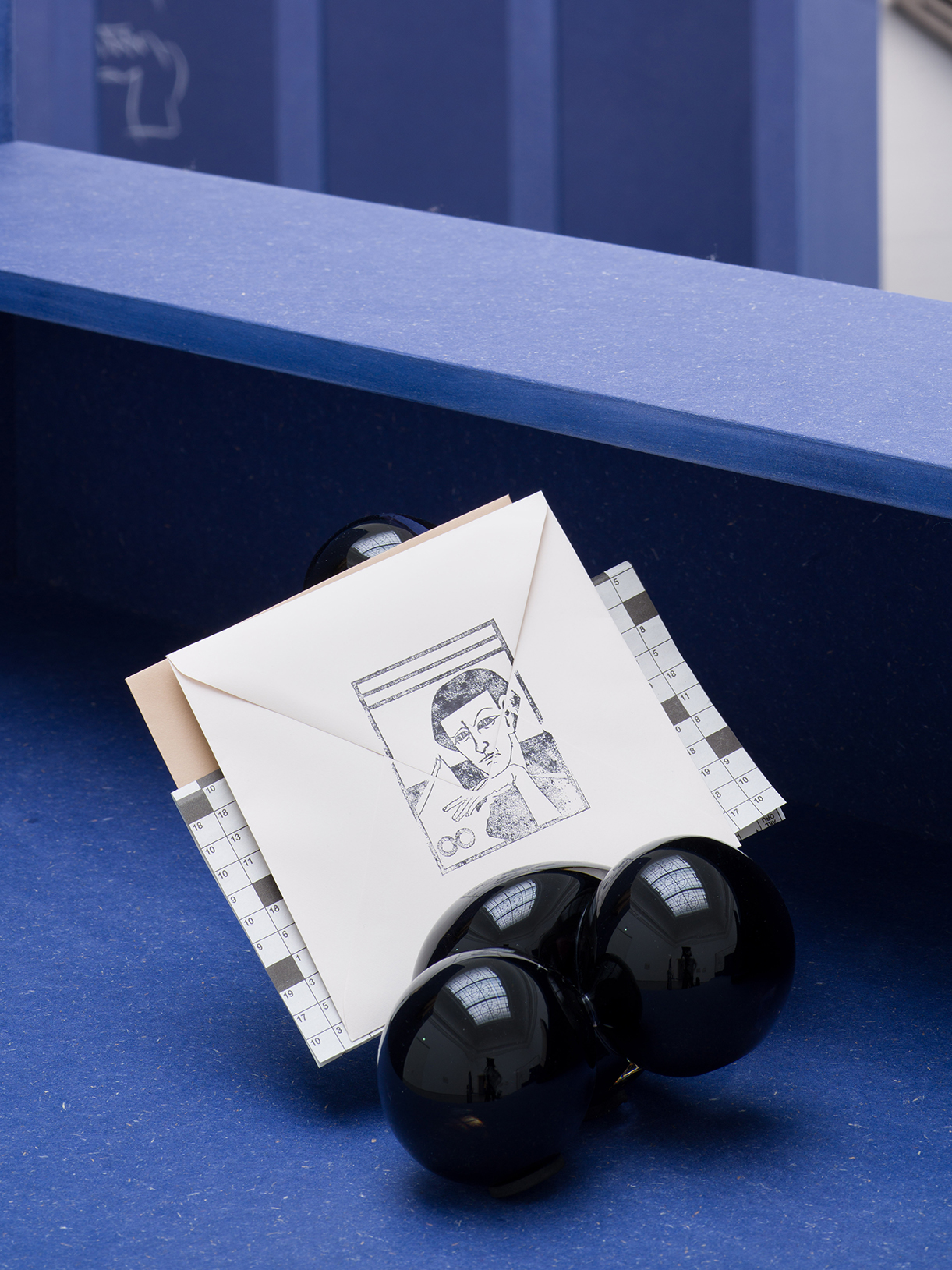
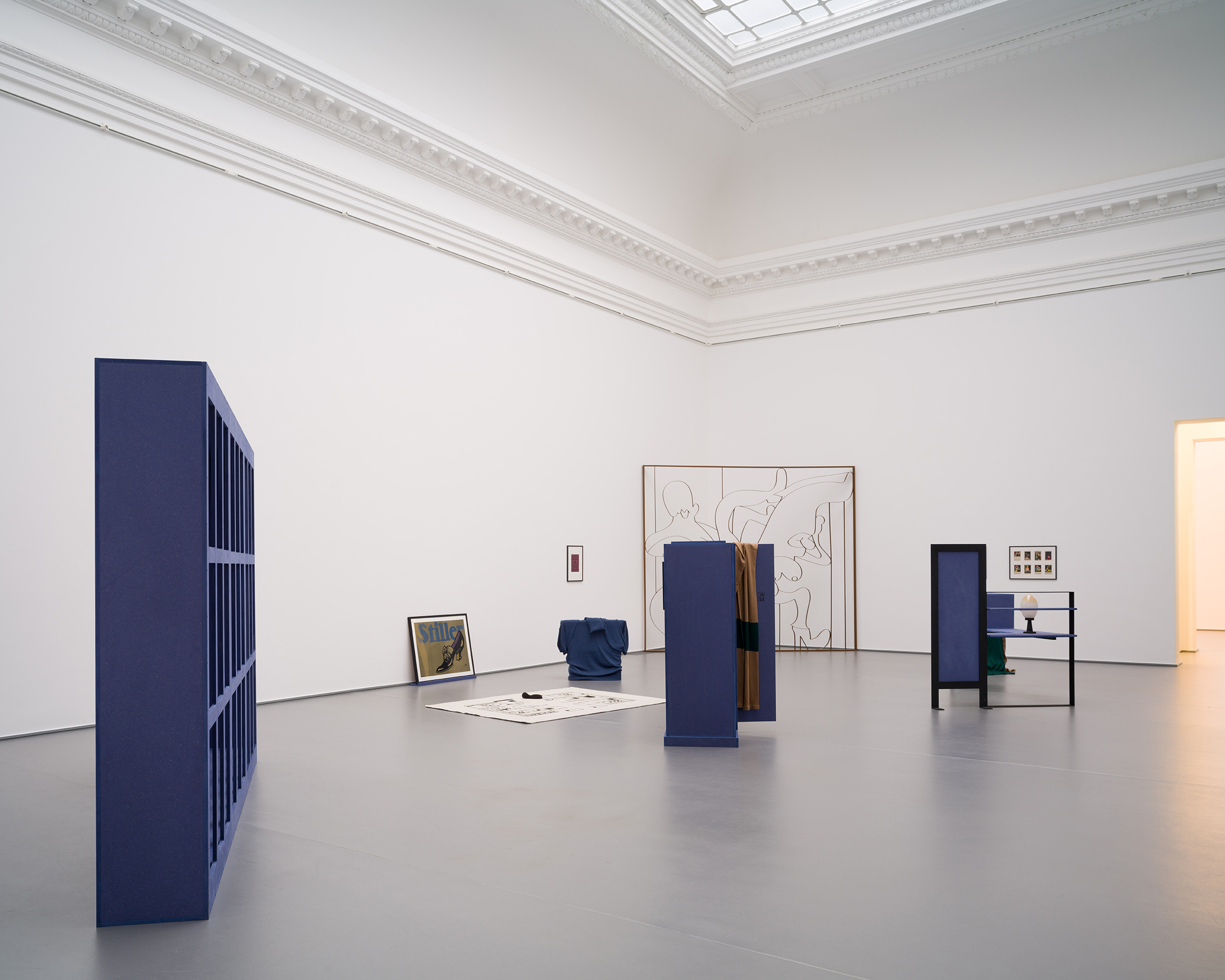
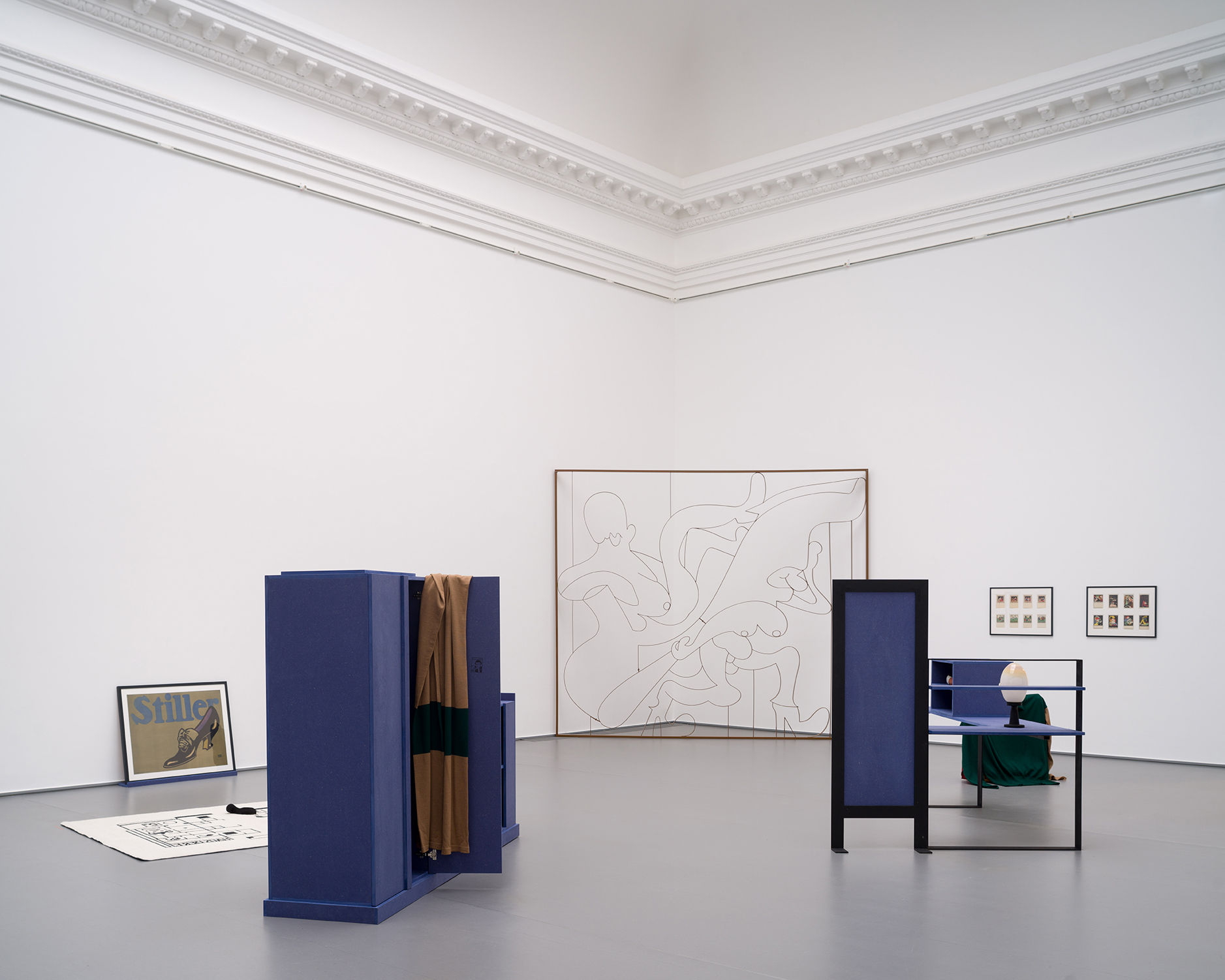
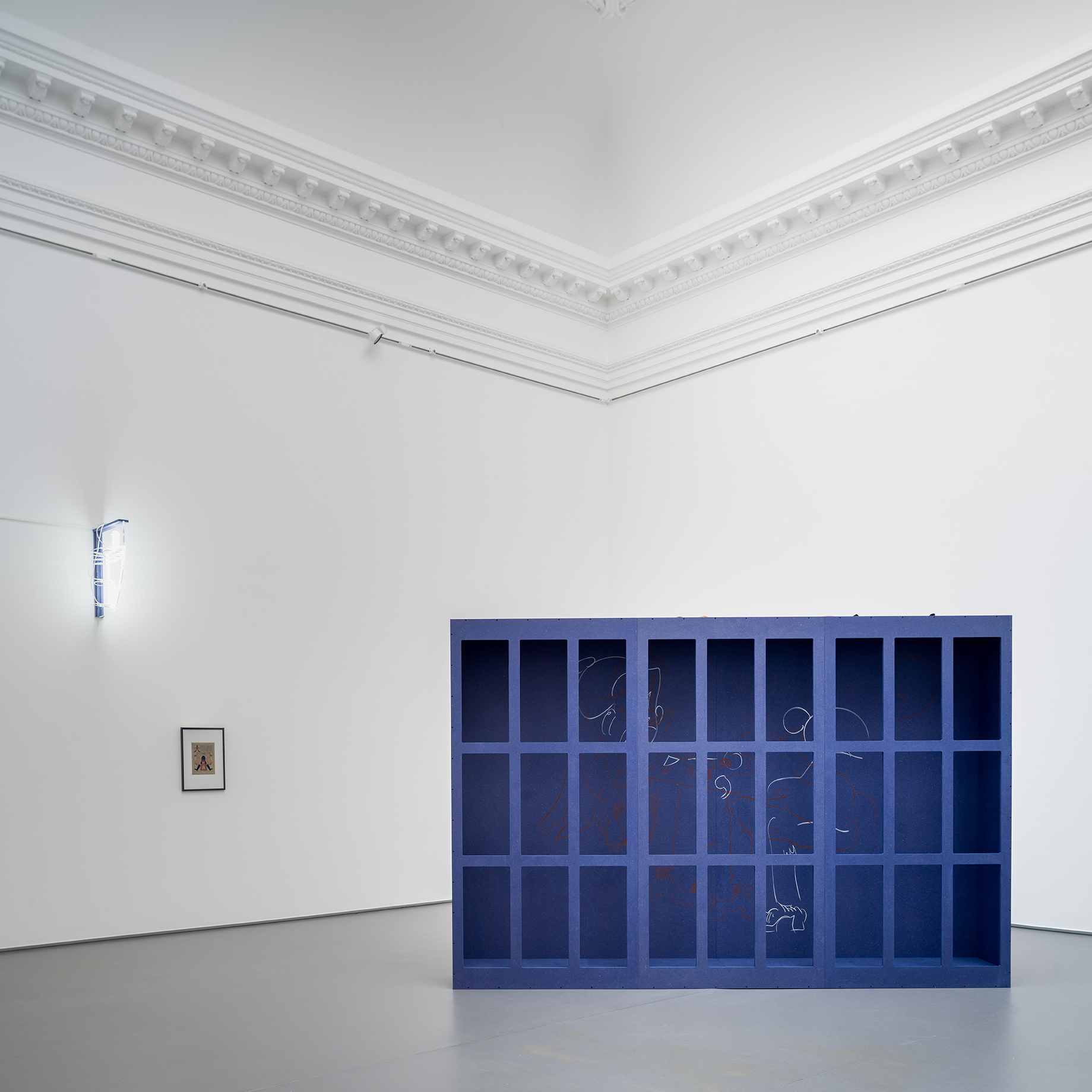
“Haus Der F.” solo exhibition at Kaiser Wilhelm Museum
29 March 2019 – 15 September 2019
Invited to engage with the museum’s collection of applied arts, Ola Vasiljeva approached its Werkbund holdings as a point of historical inquiry. The Deutscher Werkbund was an influential early twentieth-century design movement that sought to unite art, industry and craft through principles of functional and rational design. While reviewing the museum’s extensive catalogue, comprising several hundred works, she noted that only three were attributed to female designers. This disproportion prompted a closer investigation into the position of women within the Werkbund and the mechanisms through which their contributions were marginalised in the historiography of the movement.
Although numerous women participated in the Werkbund, their work was often dismissed by male colleagues as decorative, amateurish, or insufficiently “objective.” In response to such attitudes, a group of women designers organised Das Haus der Frau for the 1914 German Werkbund exhibition in Cologne. The pavilion, conceived and curated entirely by women, presented exclusively works by female designers and aimed to introduce the figure of the so-called objective female designer. Its restrained architectural language avoided ornament and overt sentiment, aligning itself with the rational design ethos promoted by the Werkbund.
Despite these efforts, contemporary critics interpreted the pavilion as merely imitating male design and once again questioned the legitimacy of its authors. Seen retrospectively, the project remained caught within the binary framework imposed by prevailing chauvinistic assumptions, inadvertently reinforcing the very terms it sought to contest. The pavilion itself was destroyed during the war and largely disappeared from historical accounts until its rediscovery in the late 1980s.
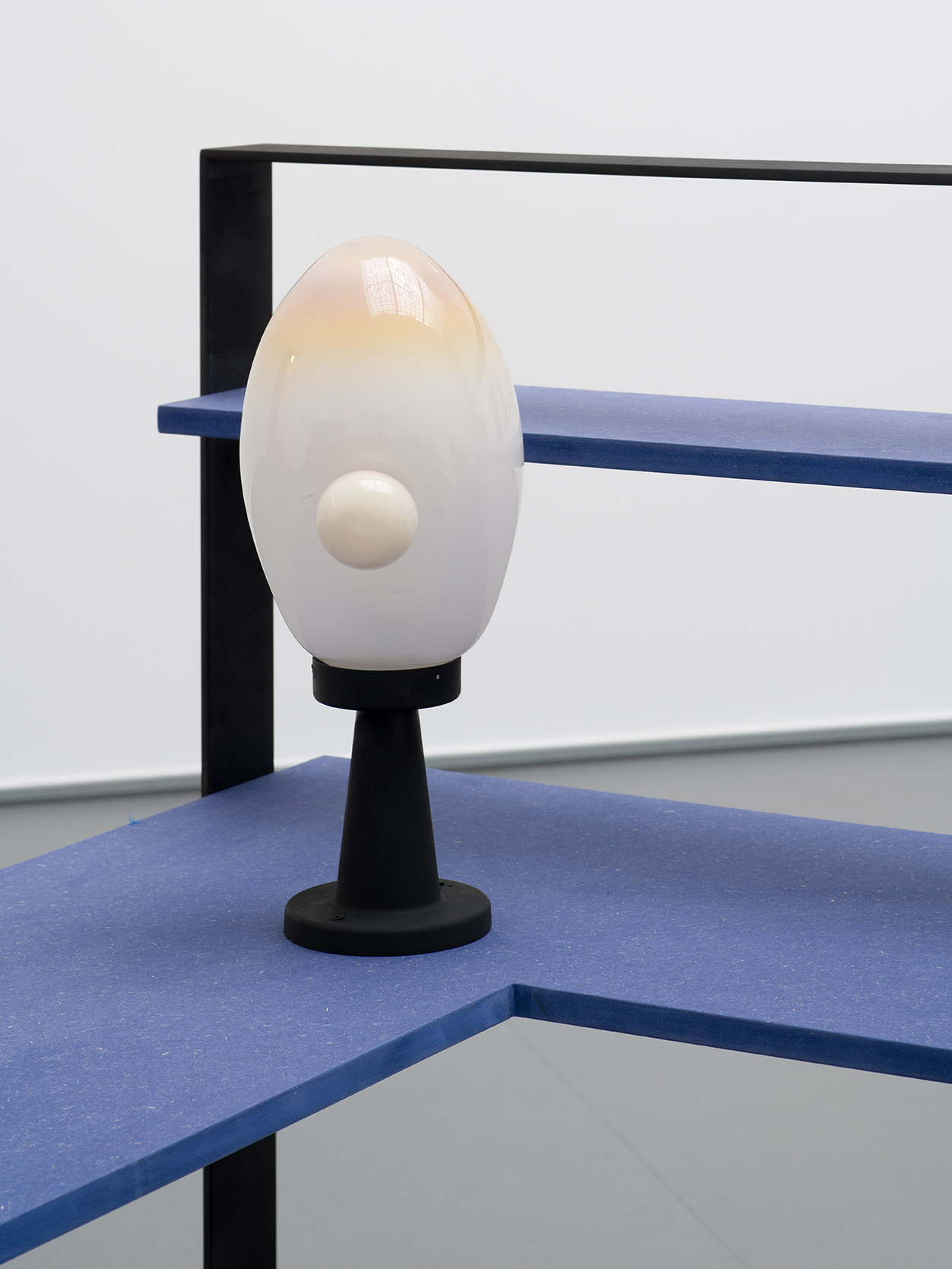
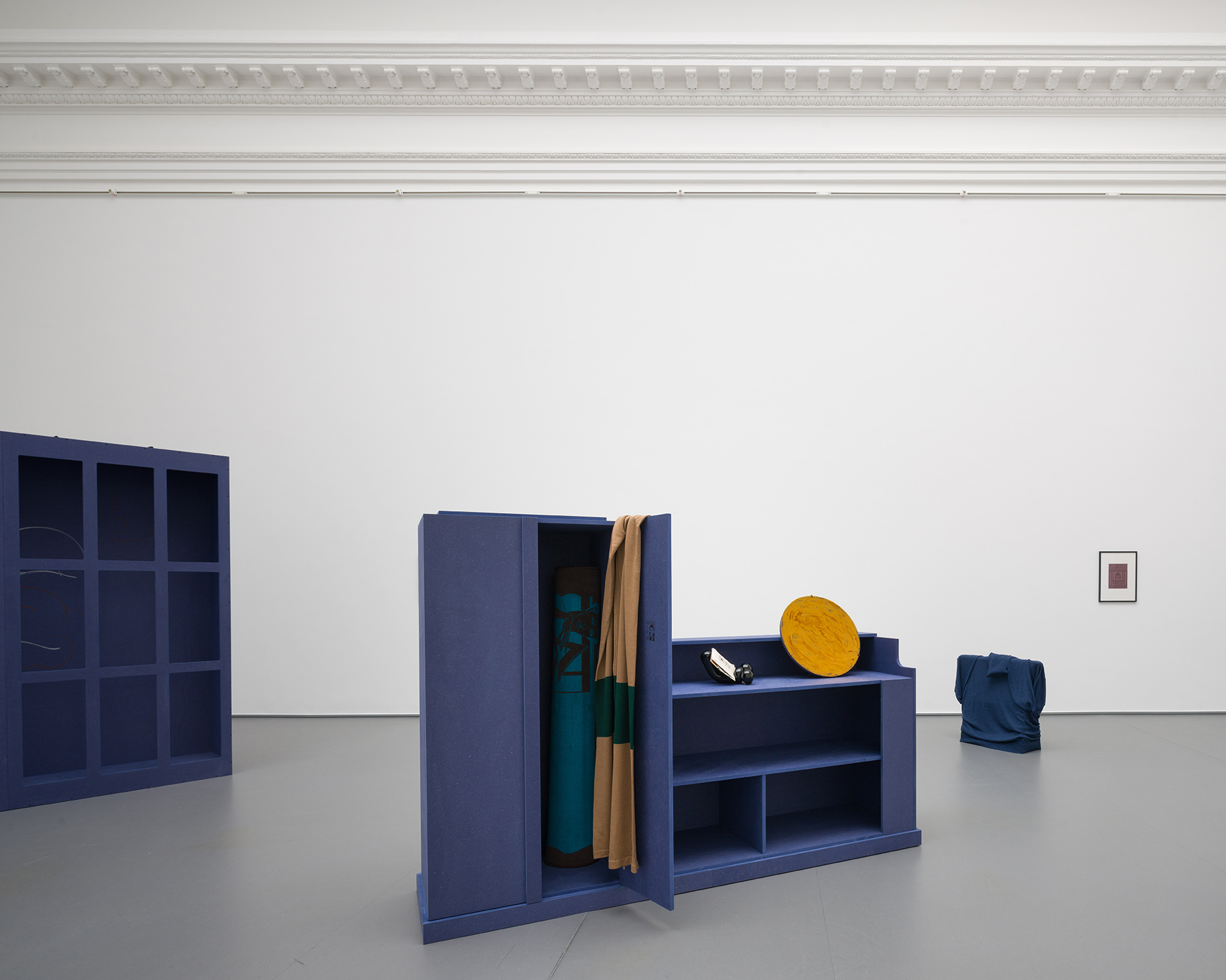
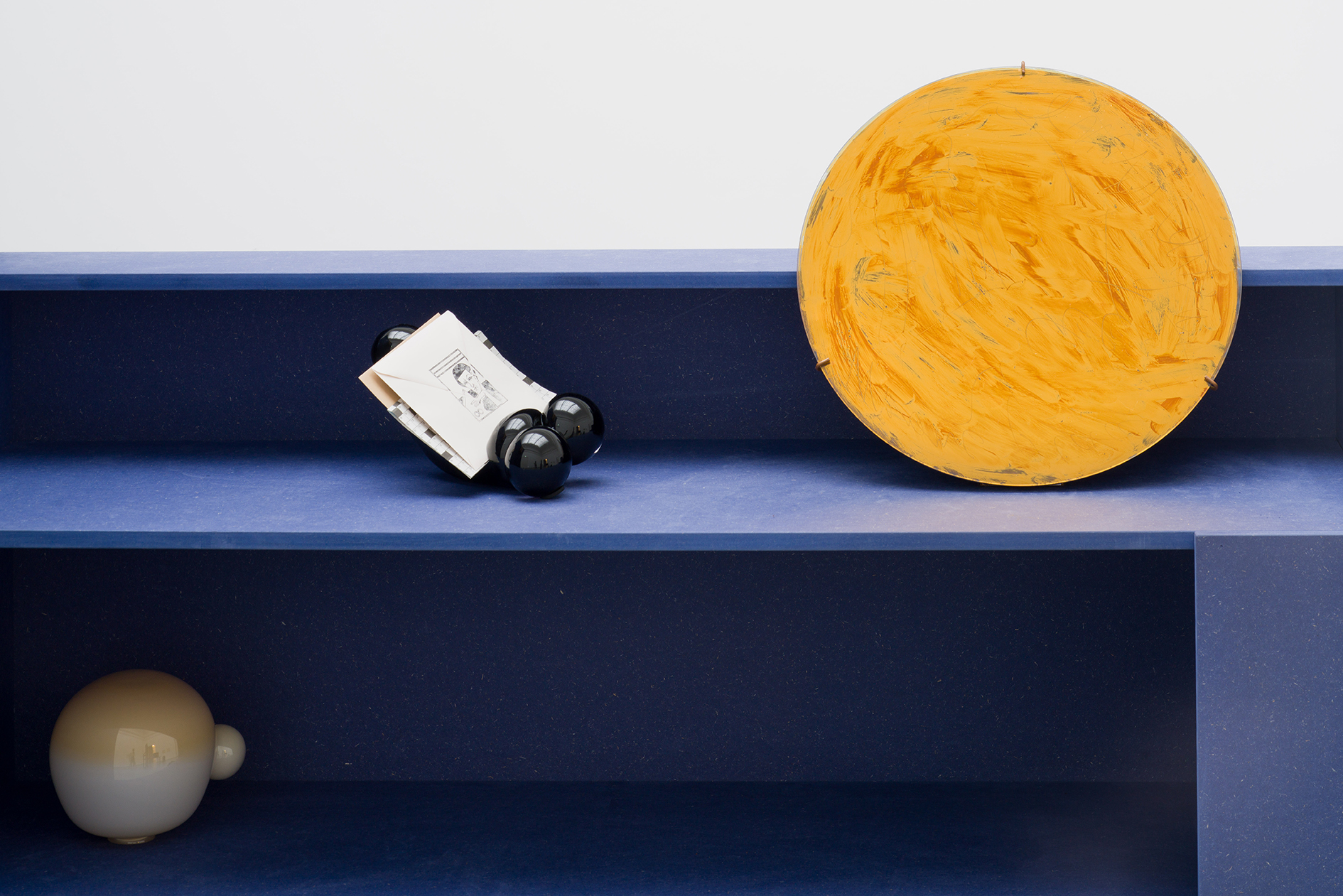
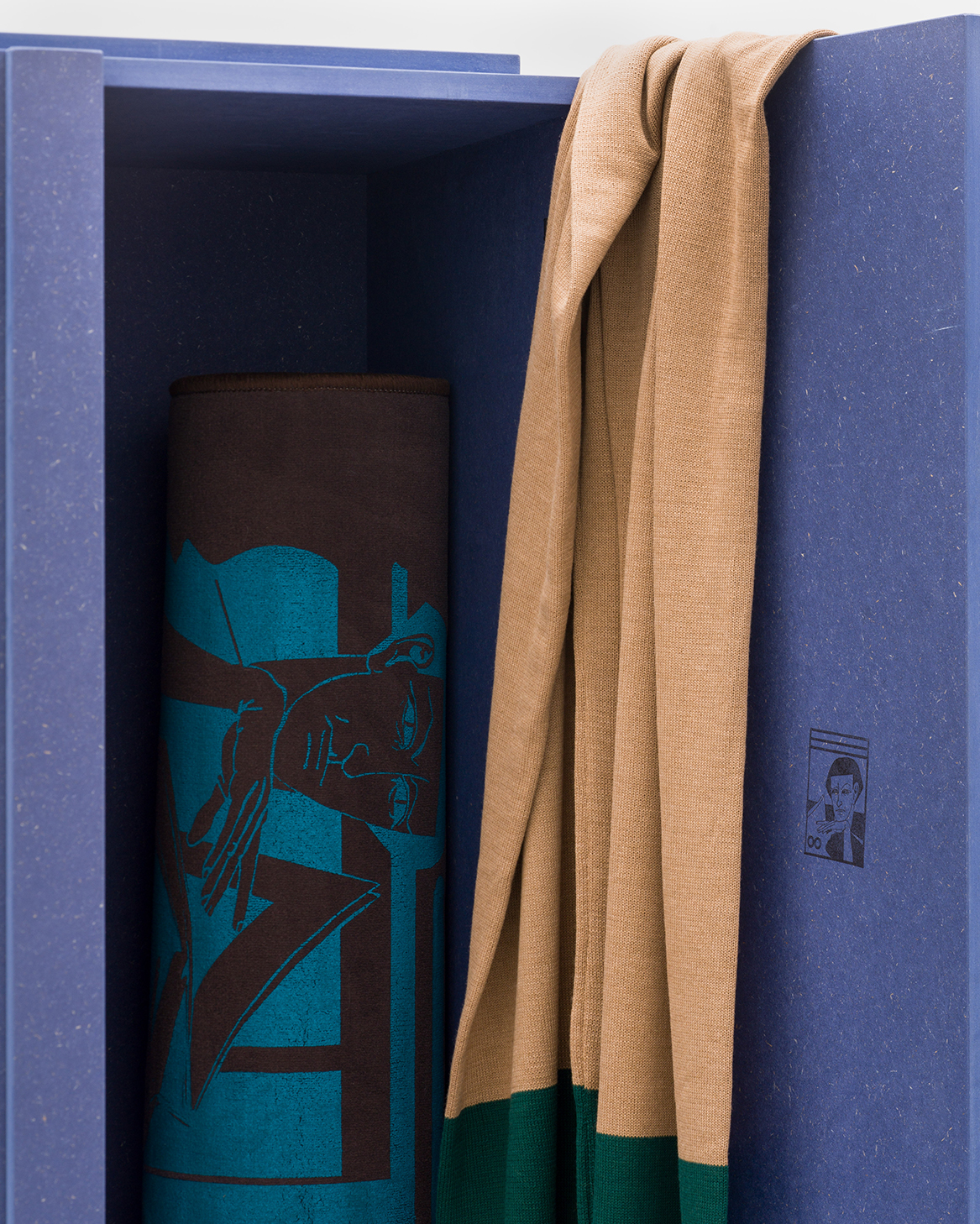
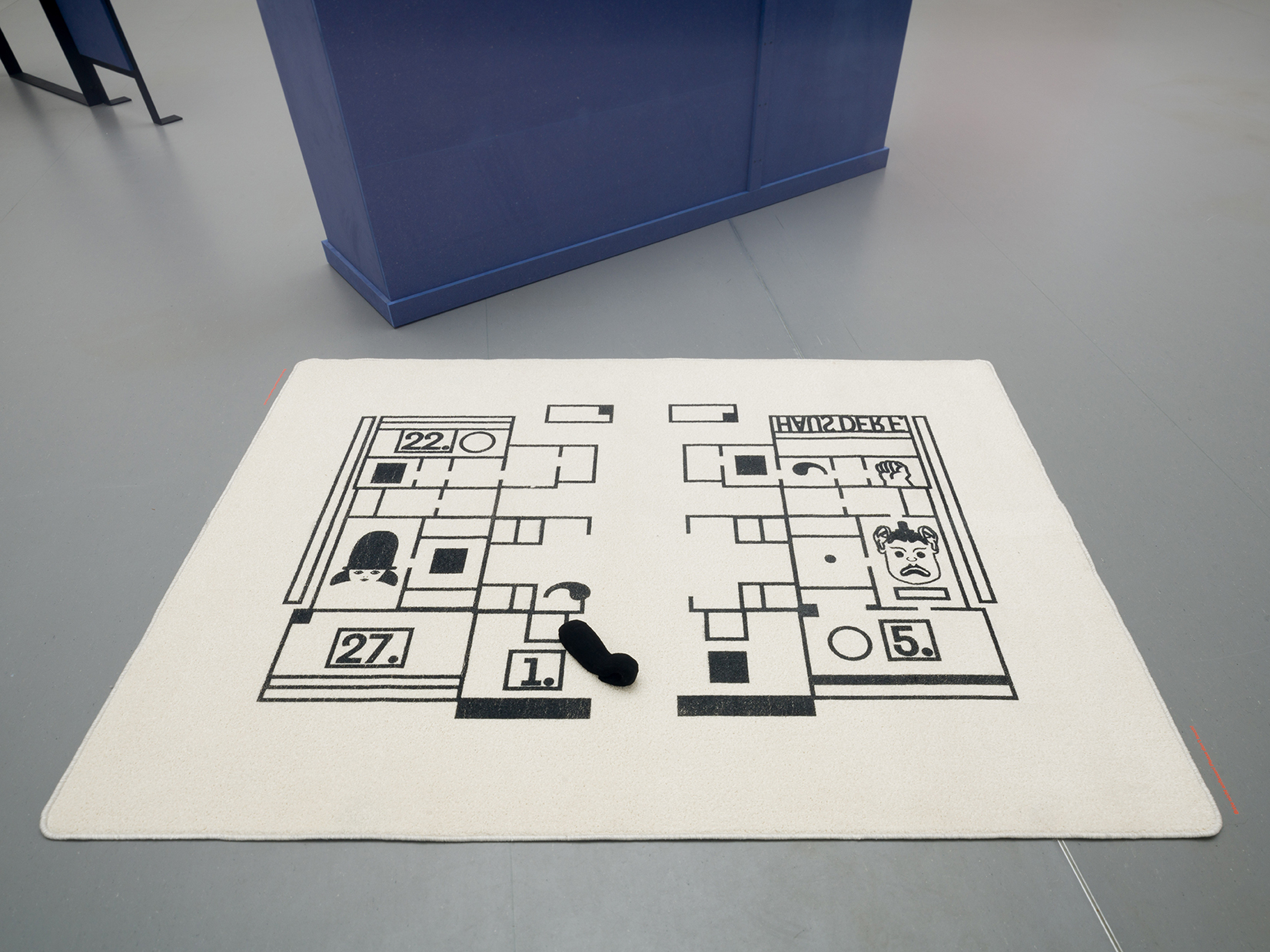
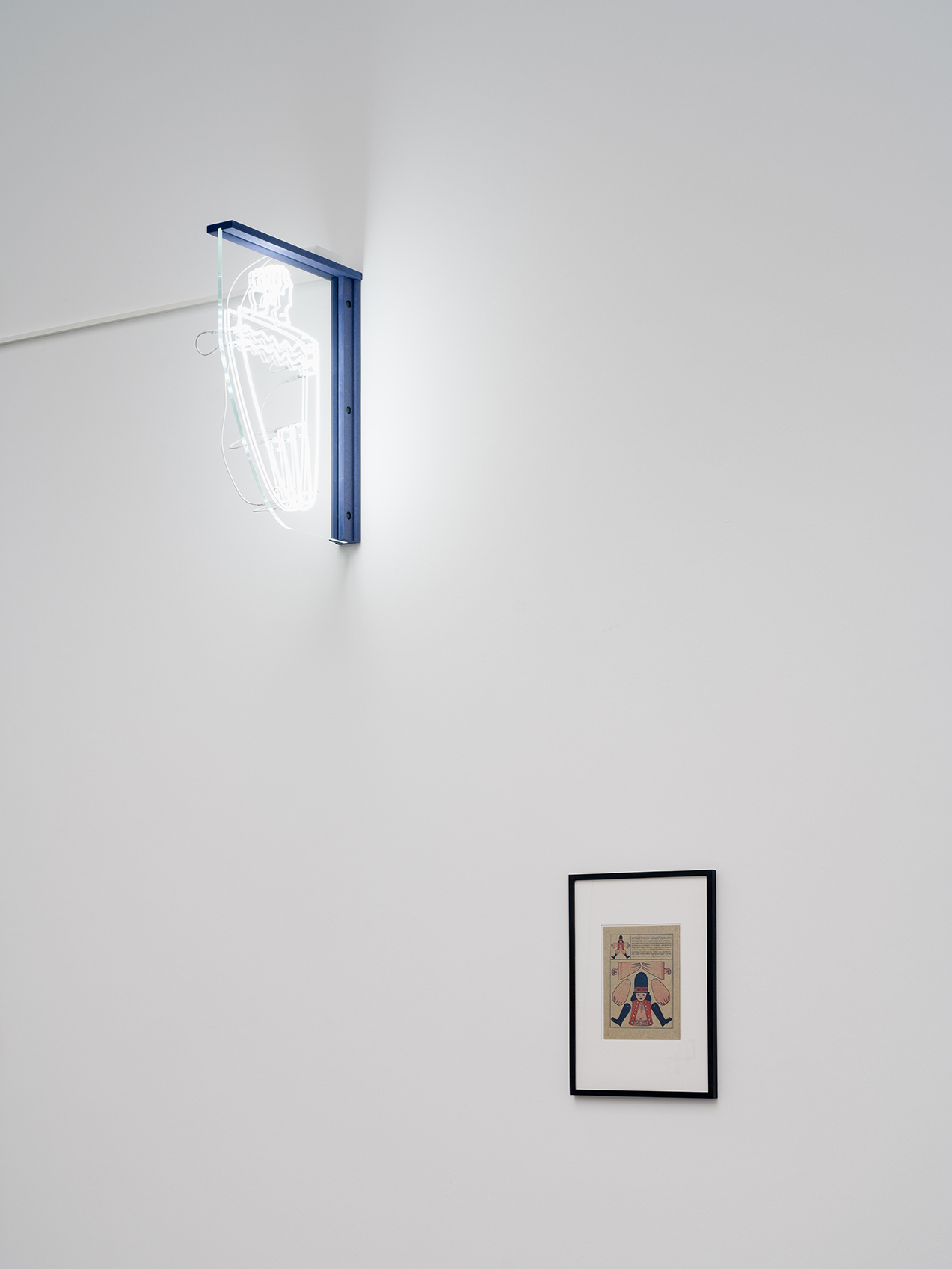
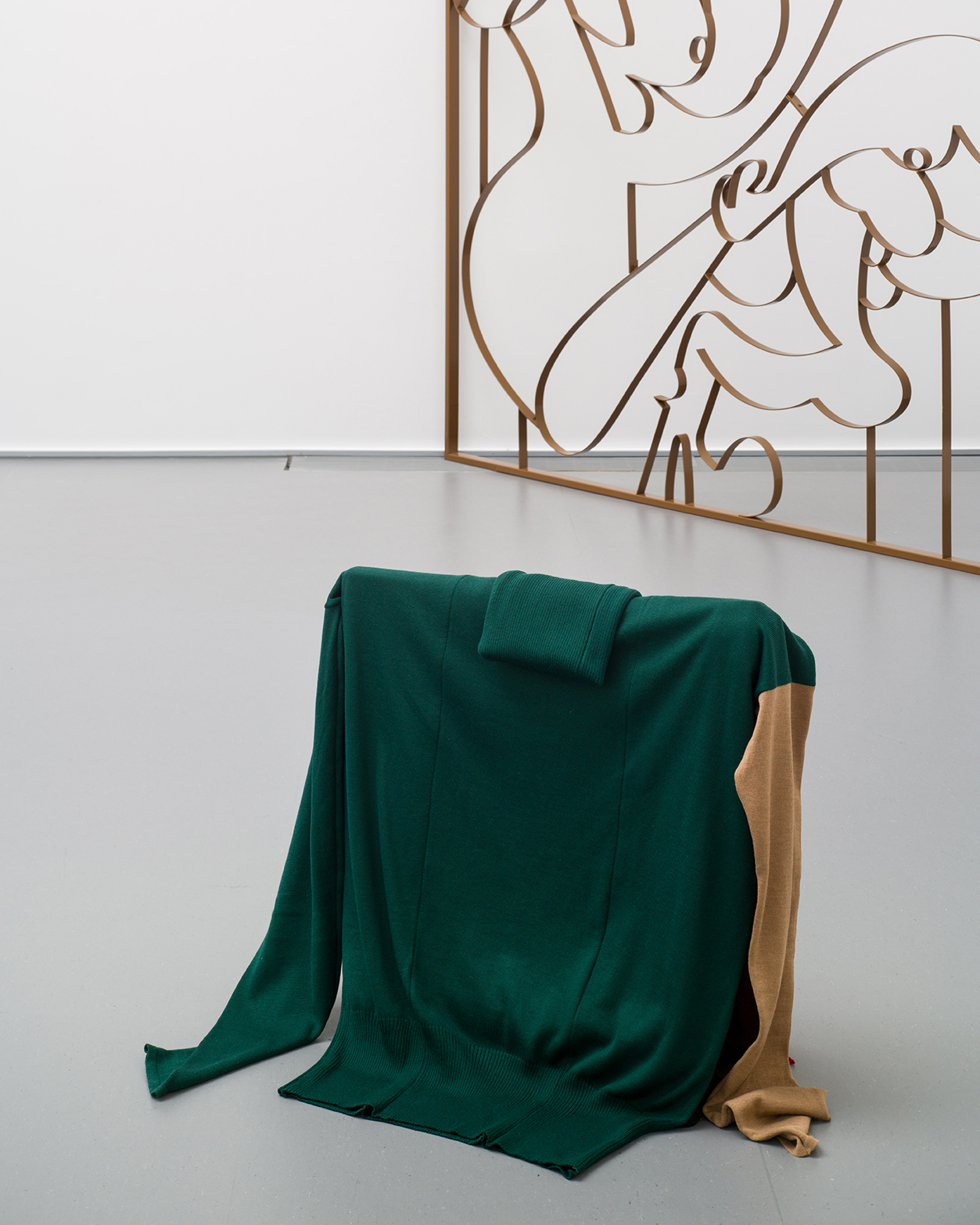
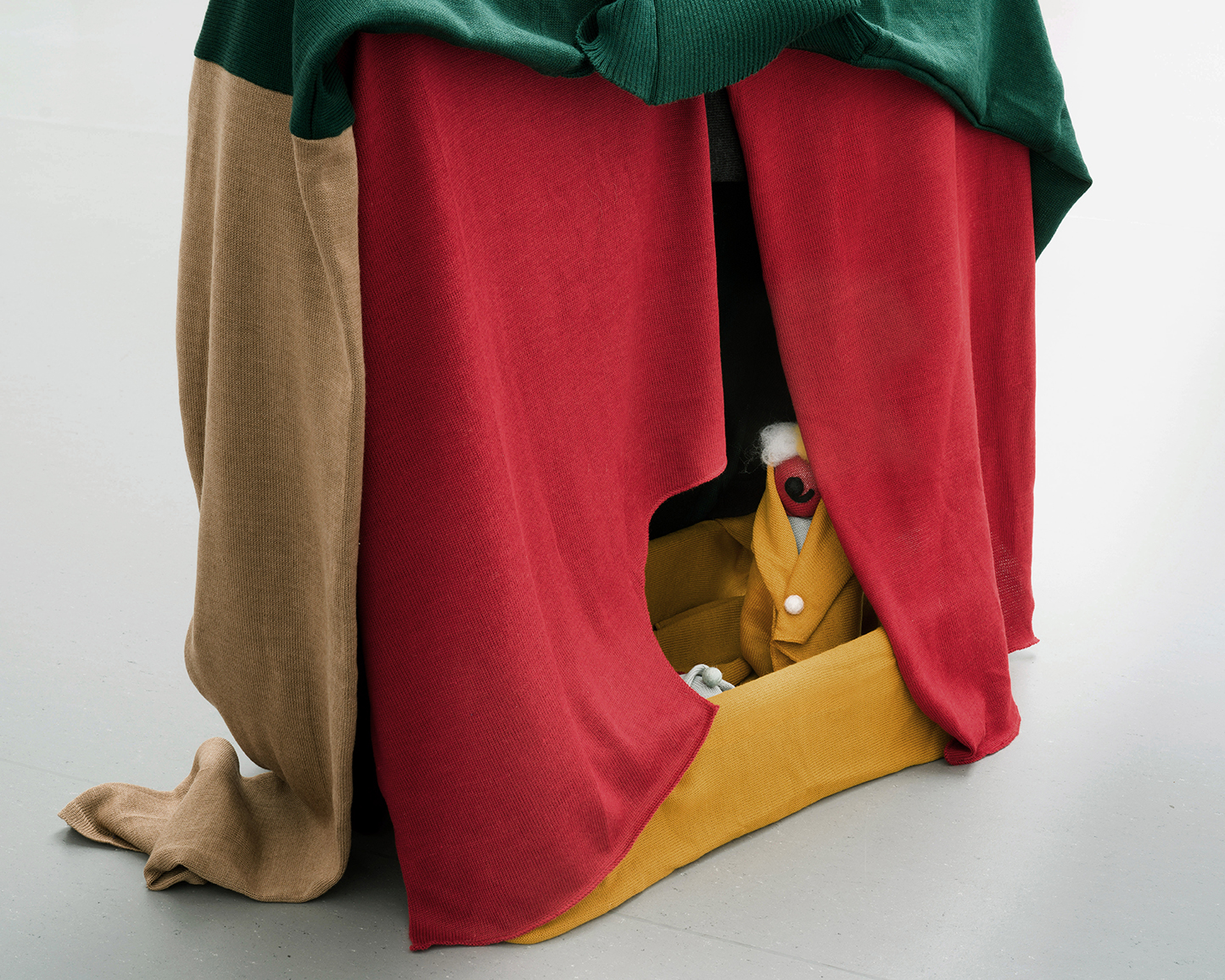
This history became the point of departure for Vasiljeva’s installation Haus der F.. Rather than reconstructing the pavilion, the work reflects on the conditions that shaped its reception and erasure. Haus der F. proposes a space where authorship and gender remain deliberately indeterminate, operating as a site of collaboration rather than representation. The installation evokes traces of a workshop or the residual interior of a showroom, where objects, gestures and references circulate without fixed attribution.
Where the Werkbund championed rationalisation and stylistic clarity, Haus der F. allows for digression, speculation and associative thinking. Riddles, theatrical cues, errors, permutations and private references populate the environment, gently unsettling the rigid frameworks of objectivity and the binary oppositions that historically structured the discourse of design.
Photos by Dirk Rose